|
Welcome
to the
PANDEMIC RESPONSE PROJECT (PReP)
Revised
November 7, 2010
New
Report:
The SWINE FLU REVIEW:
The Case for Reform of Emergency Health Laws
[North
Carolina Addendum]
New:
Attorney Greg Glaser's Memorandum on the Constitutionality
of Forced Vaccination During Martial Law, Outbreak or Pandemic
SHARE YOUR LIGHT
Song for a Movement!
|
PReP
Mission
| E-Newsletter | Volunteer | Contact
|
| Vaccine
Exemptions and Waivers
|

"Rights are either
expanding or
contracting.
Support PReP and be a part of
the
expansion!"
Alan
Phillips, J.D., PReP Founder
MISSION:
The Pandemic Response Project (PReP) is a
volunteer
organization founded by Vaccine
Rights
Attorney Alan
Phillips, J.D. Presently, most
states can mandate vaccines without exemptions during a
declared
emergency, and
quarantine non-vaccinated residents in government facilities against
their
will. PReP's
primary goal is to reform emergency
health laws to allow citizens to say "NO!" to these and
other mandatory emergency procedures and protocols. The
primary
motivation for this agenda is
the profoundly mismanaged 2009-2010 swine
flu pandemic that enriched vaccine manufacturers with
wasted public funds and caused unnecessary death and
disability to
vaccine recipients world-wide.
In December of 2001 (in the wake of 9/11), the CDC
began aggressively promoting the Model State Emergency Health Powers
Act (MSEHPA), which
proposed sweeping, overreaching state
authority during declared
emergencies. In the years that have followed, most
states have enacted parts of
this Model Act, giving states new authority that more severely
restricts citizens' rights and choices during declared
emergencies in areas including forced vaccination and quarantine.
Since the primary
authority for state residents is state law, PReP's
primary focus is the reform of emergency health laws at the state
level. A secondary focus concerns supporting changes in emergency
health laws at the federal level, and supporting
state initiatives
aimed at expanding freedom of choice for routine
immunizations. See Help
With Vaccine Choice Legislation
at the Vaccine
Rights
website for more on this.
Alan
Phillips, J.D., Director
Rich Roberts, Manager
DISCLAIMER
More
Information:
1.
Pandemic
Flu Shots: What Are Your Rights?
2. The
2009 Influenza Pandemic: Selected Legal Issues,
Congressional
Research Service (CRS)
3.
Why PReP? See the fall 2010 Swine Flu Review report. See also:
A. 2009 H1N1
Citizen Concerns
B. WHO
challenged at public hearing on
the handling of
the Swine Flu pandemic,
Parliamentary
Assembly
of the Council of Europe (PACE)
1) Statement by Dr. Wodarg,
medical expert
specializing in epidemiology, former Chair of the Sub-Committee on
Health of PACE
2) Motion
by Dr. Wodarg,
3) Feb. 2010: Investigation Chief: Swine Flu
Pandemic Was a Hoax
4) June 4, 2010: PACE Health Committee denounces
'unjustified scare' of
Swine Flu, waste of public money; Report of the Social Health and
Family Affairs
Committee
C. Adverse
effects of fast-tracked, minimally-tested pandemic vaccines: H1N1
Adverse Events Reports
D. Exceprts of remarks by Fiona Godlee,
Editor-in-Chief of the British
Medical Journal: "The current
leadership of WHO may need to resign . . . We must create a world in
which the best experts are those that are free from commercial
influence . . ."
4.
THE SOLUTION: Model
Self-Shielding Protection Act.
Flawed strategies: Pandemic
Flu
Wild
Goose Chases
5. Network of Corruption: The CDC, WHO,
and BigPharma. See also Voices of Federal Scientists,
results of surveys
of U.S. federal agencies by the Union of Concerned Scientists.
6. Attorney
Questions
School-Administered Flu Shots,
by Attorney Alan Phillips, Esq. [original article on BloxVax]
7.
International Declaration of Health
Freedom
|
LIVE
PRESENTATIONS
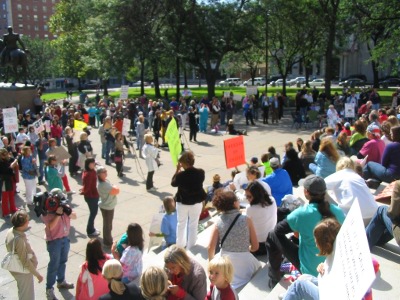 9-29-09
Healthcare Workers
9-29-09
Healthcare Workers
Vaccine Rally, Albany, NY
JOIN
OUR
PROFESSIONAL PANEL
SUBSCRIBE
TO
OUR
E-NEWSLETTER
JOIN
OUR
VOLUNTEER POOL
LEARN YOUR RIGHTS,
SUPPORT THE PReP!

BECOME A FAN OF PReP!


9-29-09 Healthcare Workers
Vaccine Rally, Albany, NY
"I
think the work
you are doing is sacred, and vitally important to all our freedoms."
SJ, March 2010
"I
am proud of your work
and I thank you."
DM, March
2010
"It
is an honor to know other 'warriors' like yourself. Keep up your Spirit
& the great mission!"
AS, March 2010
"I'm
so proud of your
work. We need what you are doing."
DB, Feb 2010
"God
Bless you in 2010...what you are doing is so
important!"
BS Jan 2010
"Thank
you for the awesome work you are doing."
BR Dec 2009
|


